UpGuard CyberRisk
A desktop application that allows businesses to monitor their external and 3rd party vendors’ security. 🕵🏽
Problem
How might we improve visibility of vendor and external risk?
My role
I was the sole design contributor on this project.
Key business results
Primary personal growth

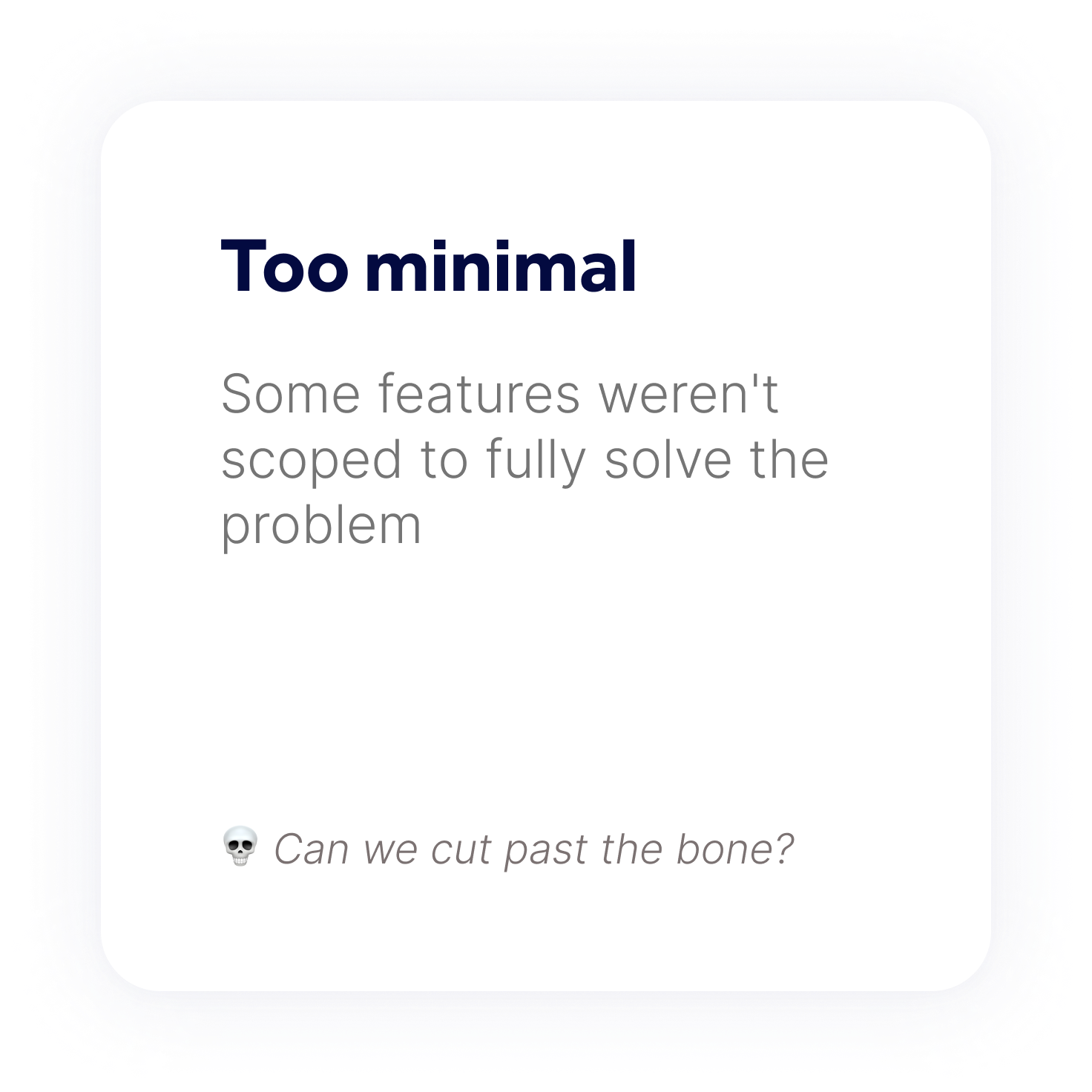
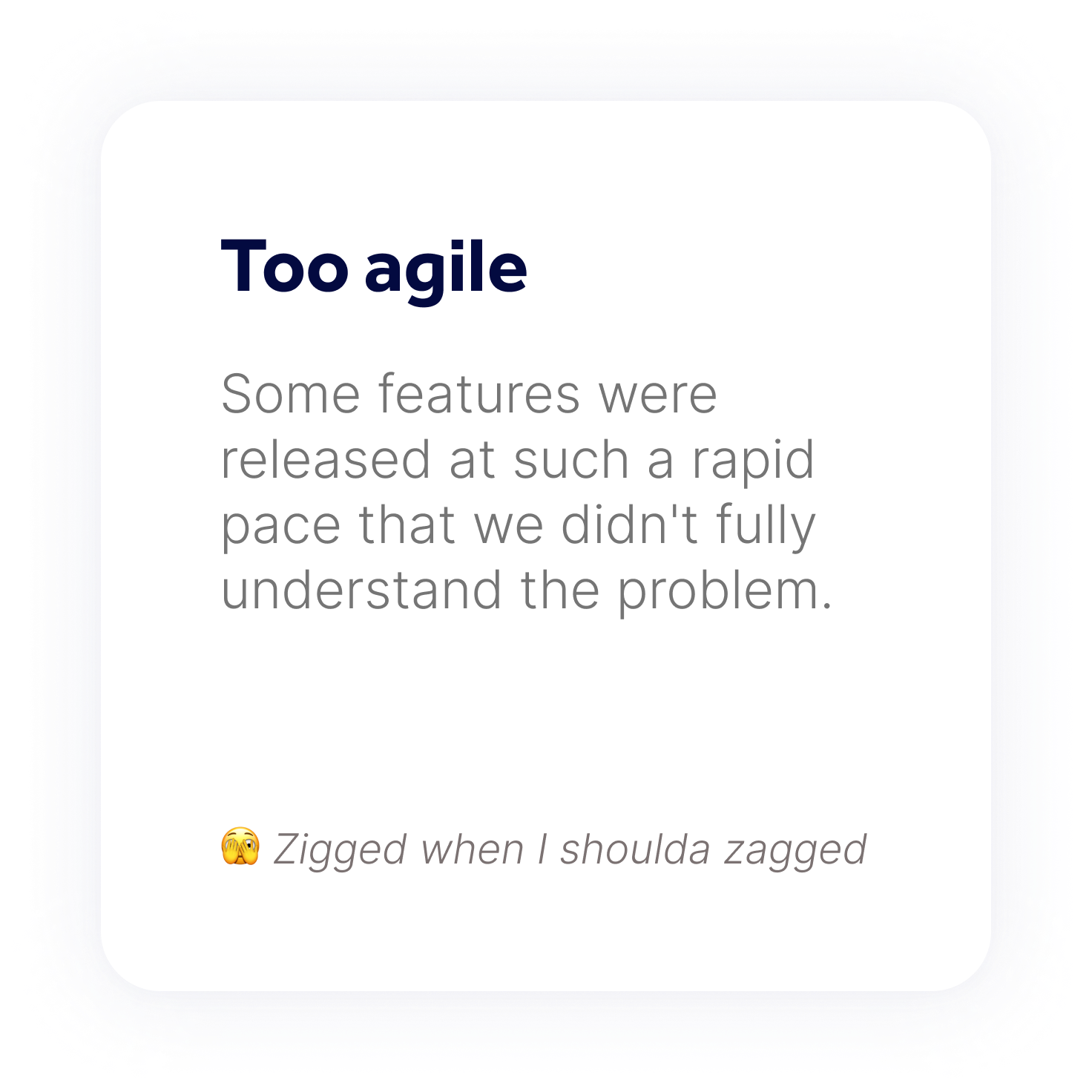
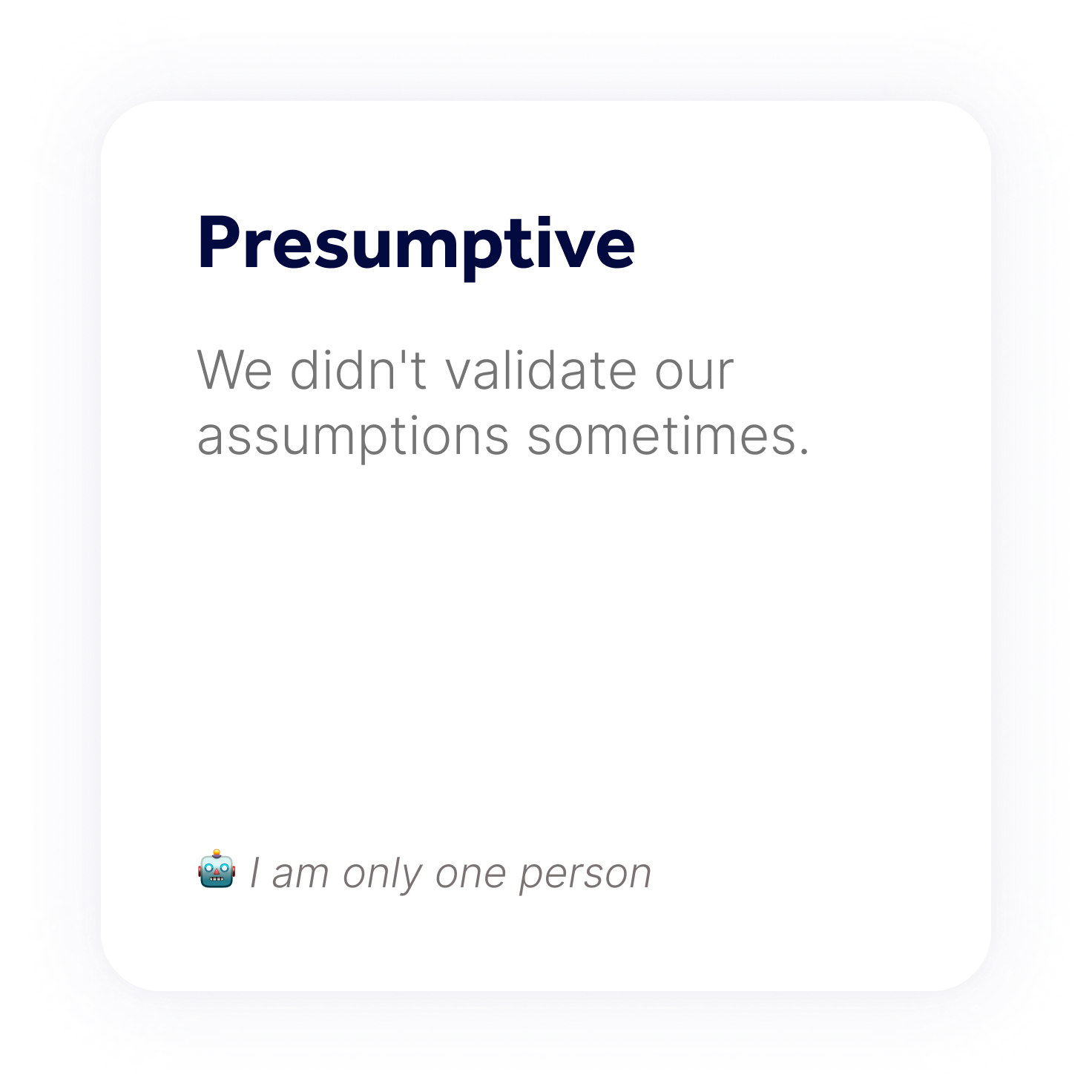
What didn’t go well
Problem definition
We heard from users and buyers that they simply did not have visibility into their external IT landscape and 3rd party vendors.
We saw in the news that Google China and Target (to name a few) were breached due to a 3rd party.
So let's just help security teams assess the security of 3rd parties 🥳
User Research
Prior to starting UGCR, we conducted interviews with ten individuals about their lives in IT and Security Operations.
We learned a lot about how these teams work together to keep systems secure and operational.
This knowledge was invaluable when crafting the critical user journeys and scoping the MVP of UpGuard CyberRisk.
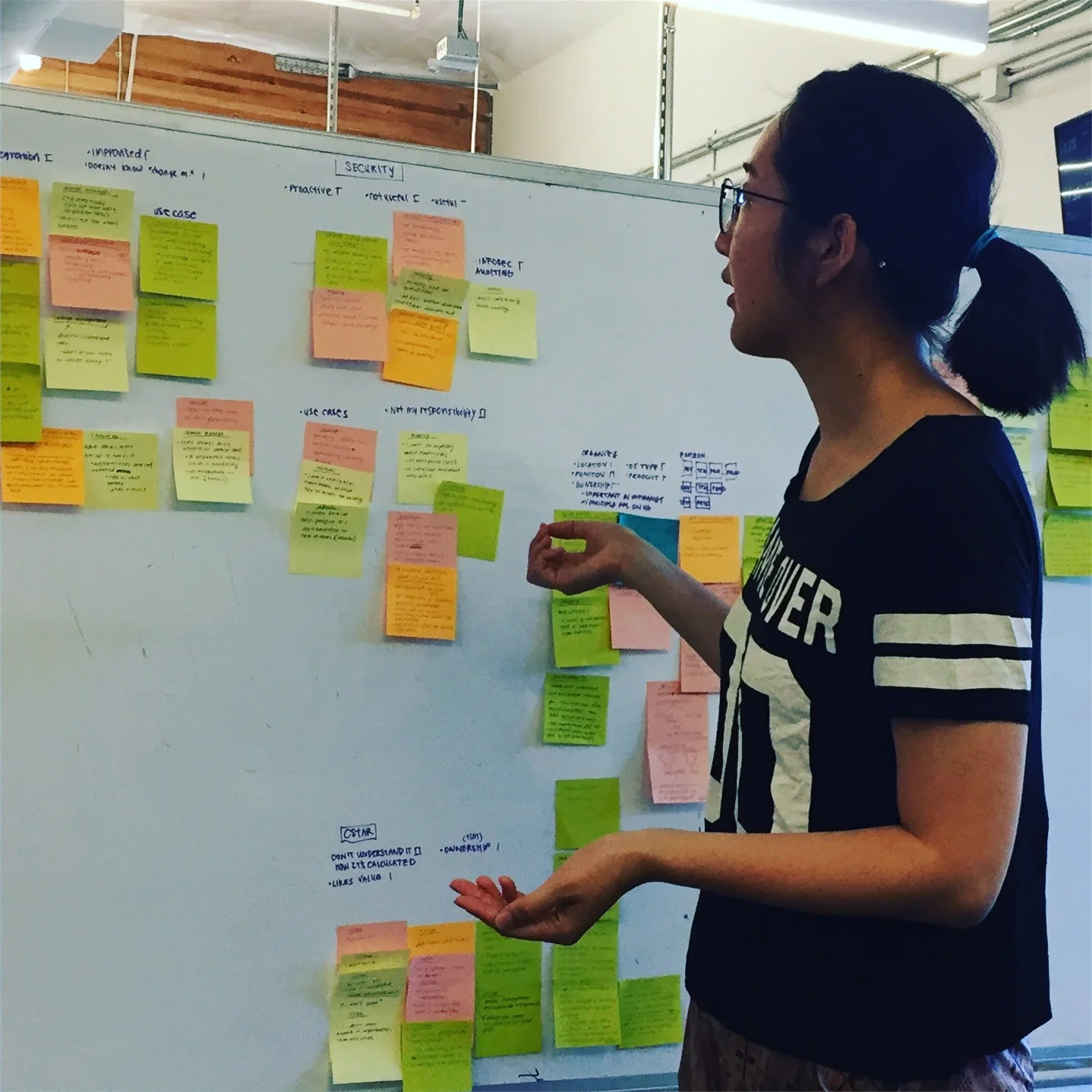
Dianna and I going over findings
Scoping a MVP
We started by scoping the minimum feature set that might solve the problems our users reported.
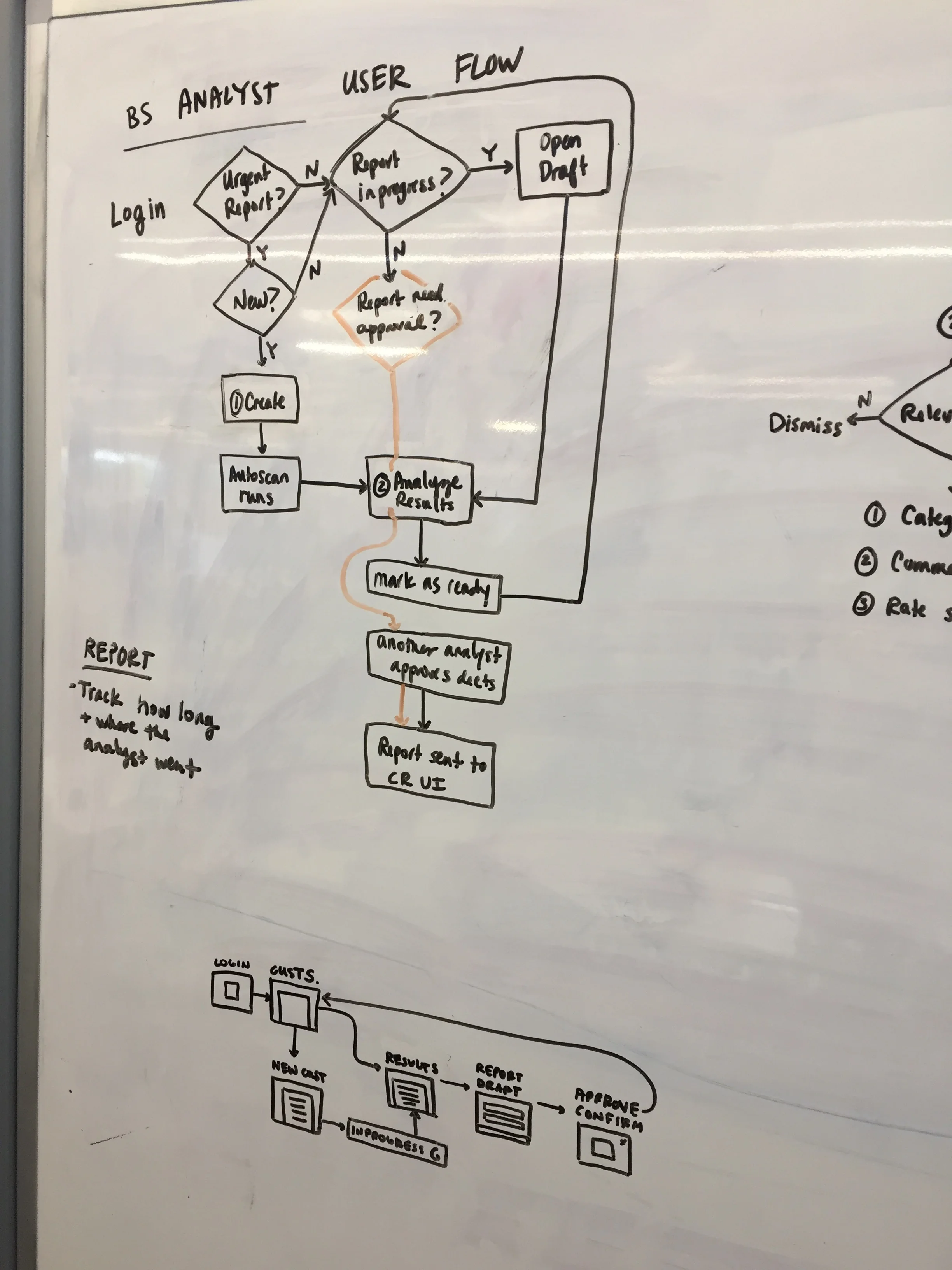
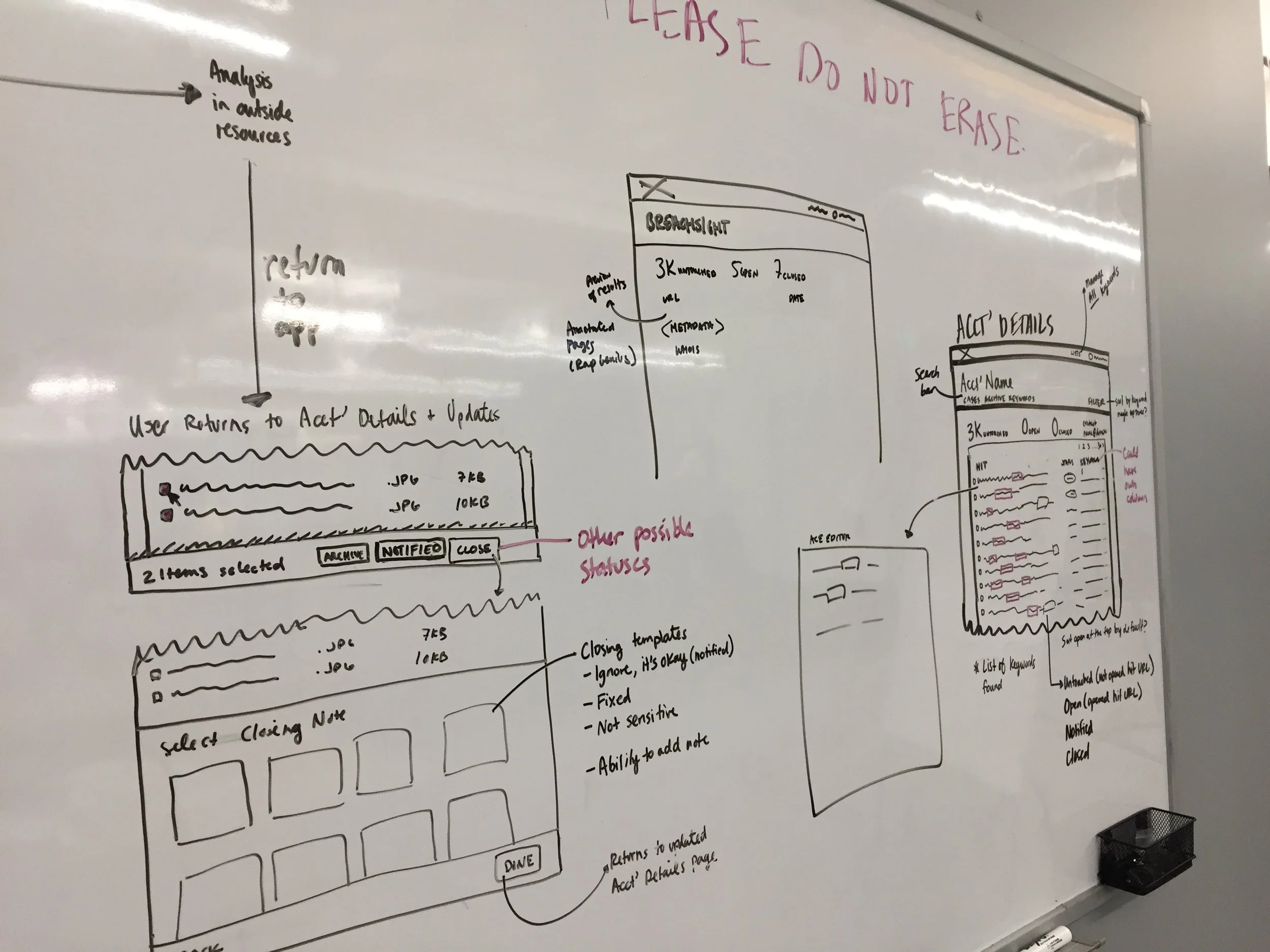
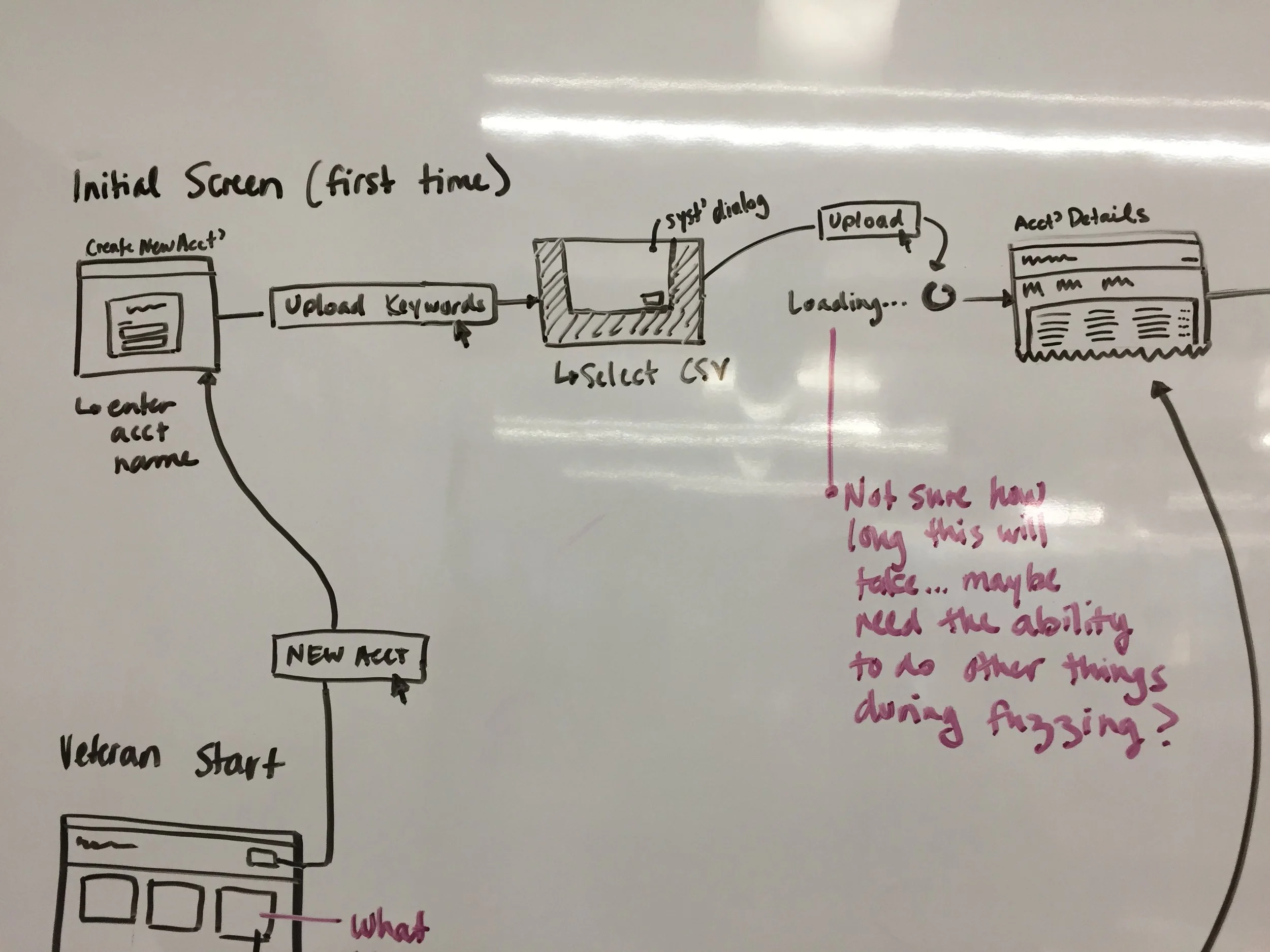
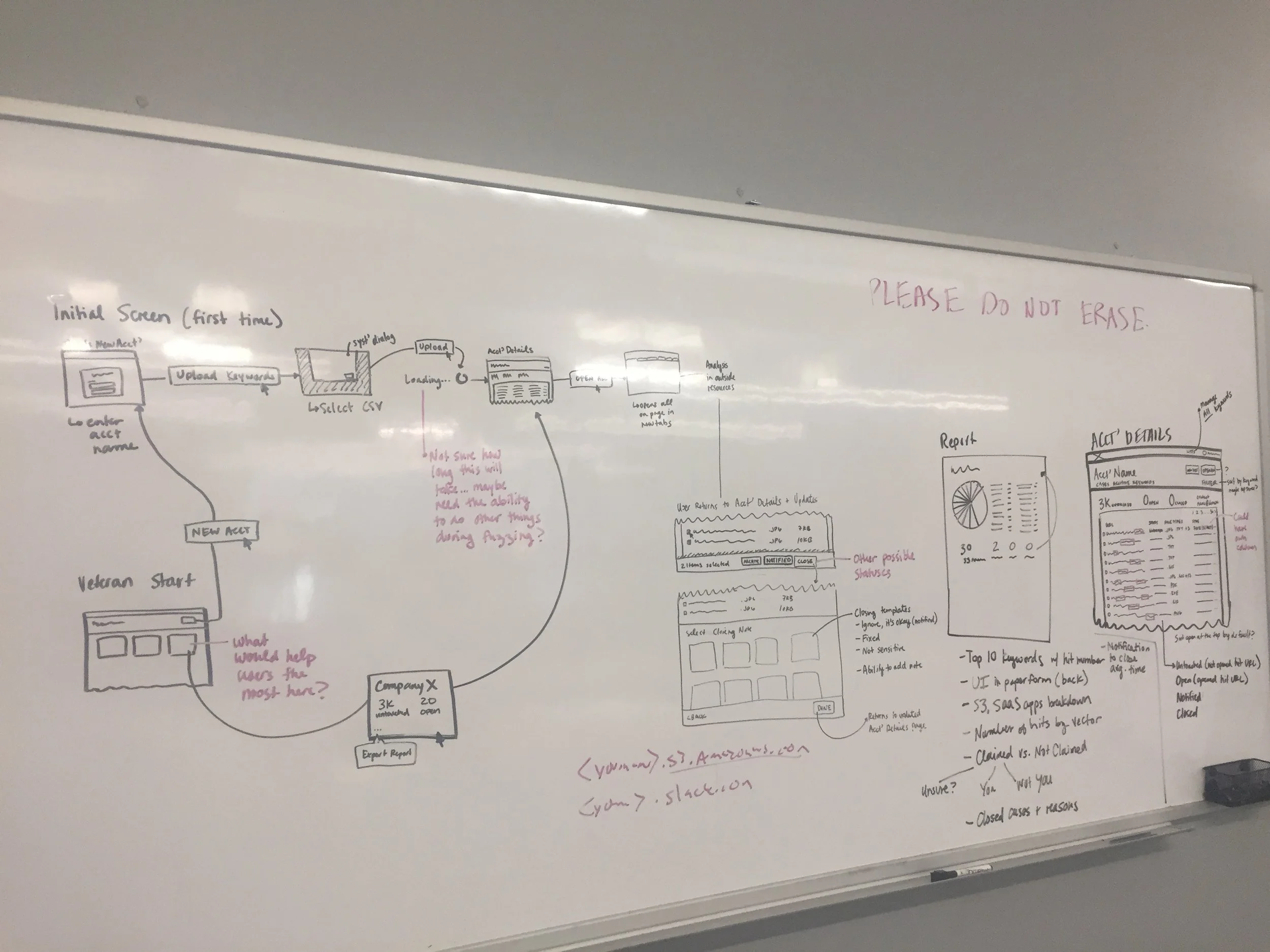
Mocks & prototypes
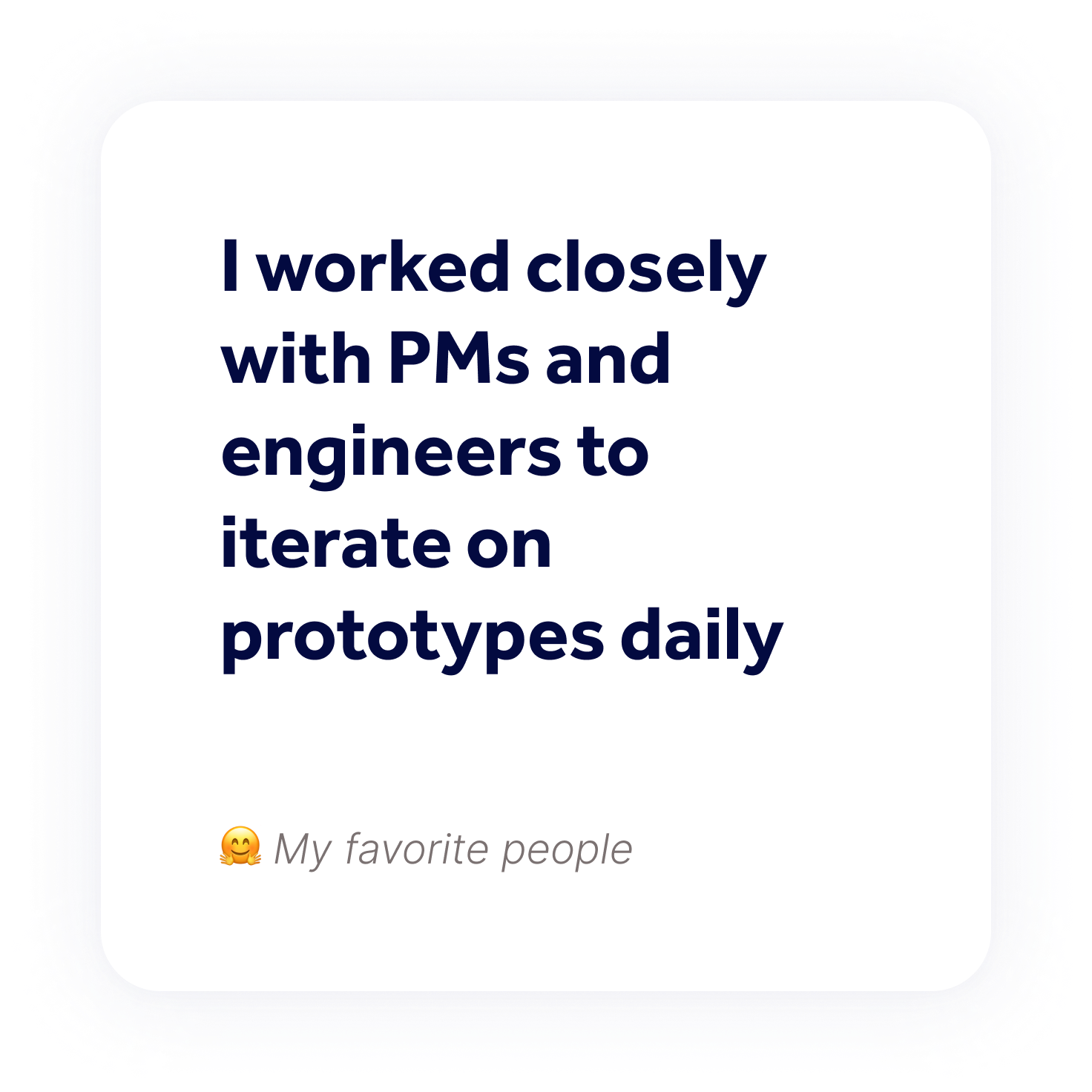
Using Invision and Sketch, I rolled up a quick prototype to test and iterate our ideas. Often, this was a daily task.
Regretfully, you can't see any of the raw work because I don't have it, so here are some GIFs of the actual product. I’m sorry. 😢
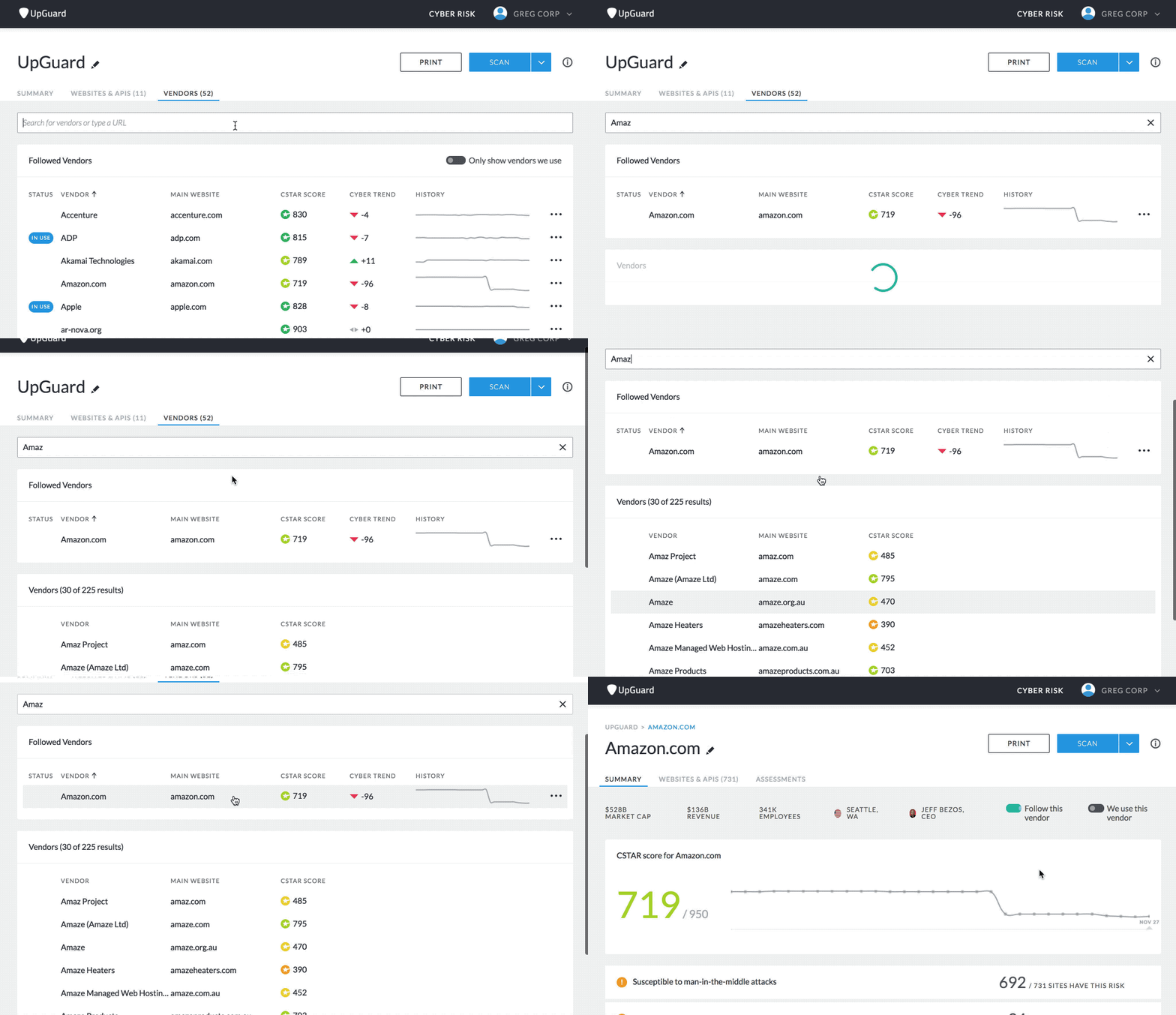
The gray background wasn't so dark in the actual product, and the cramped items at the top were since fixed.
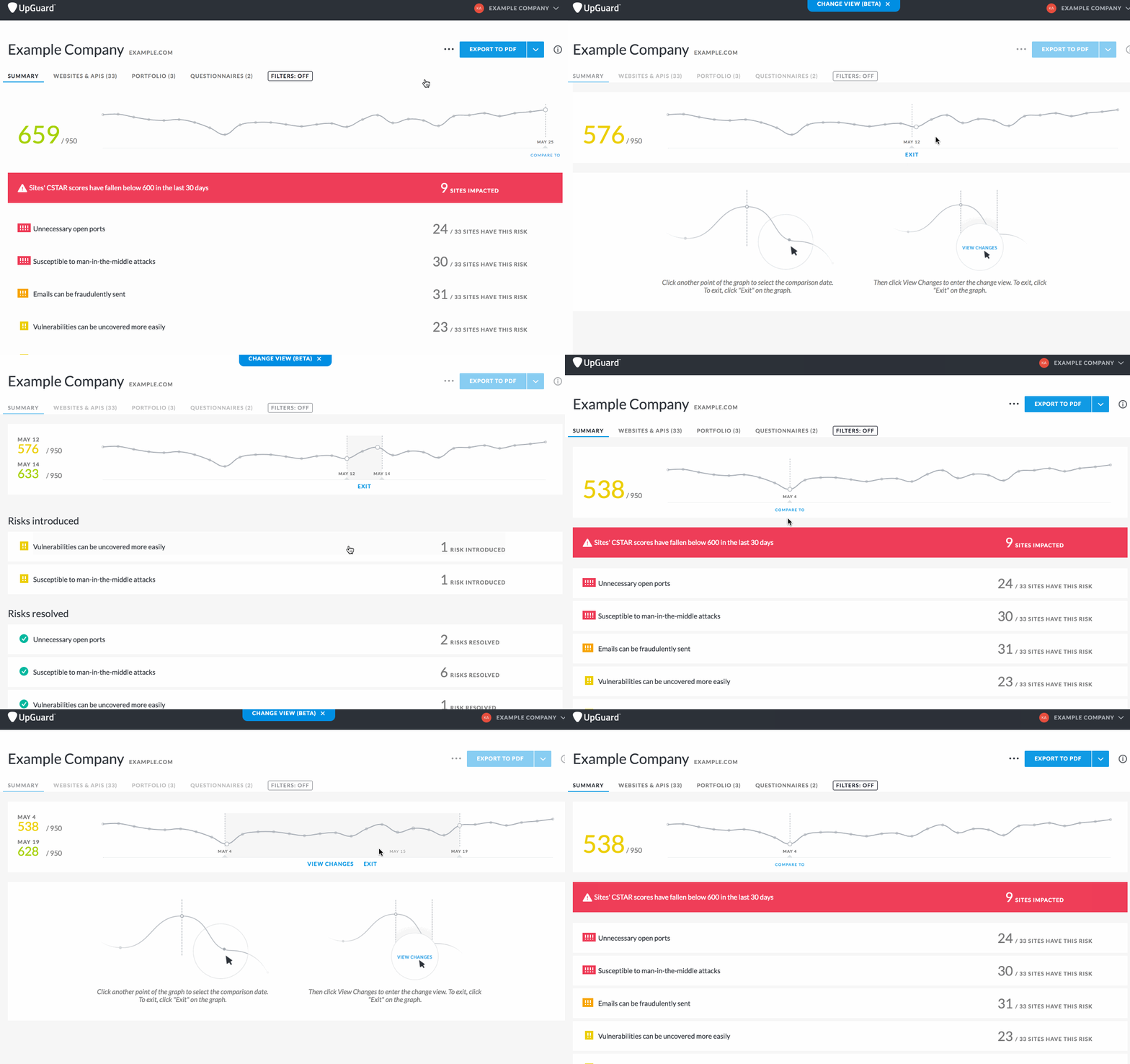
This is a feature we added to allow users to see what security configurations changed. The inconsistent typefaces were since fixed.
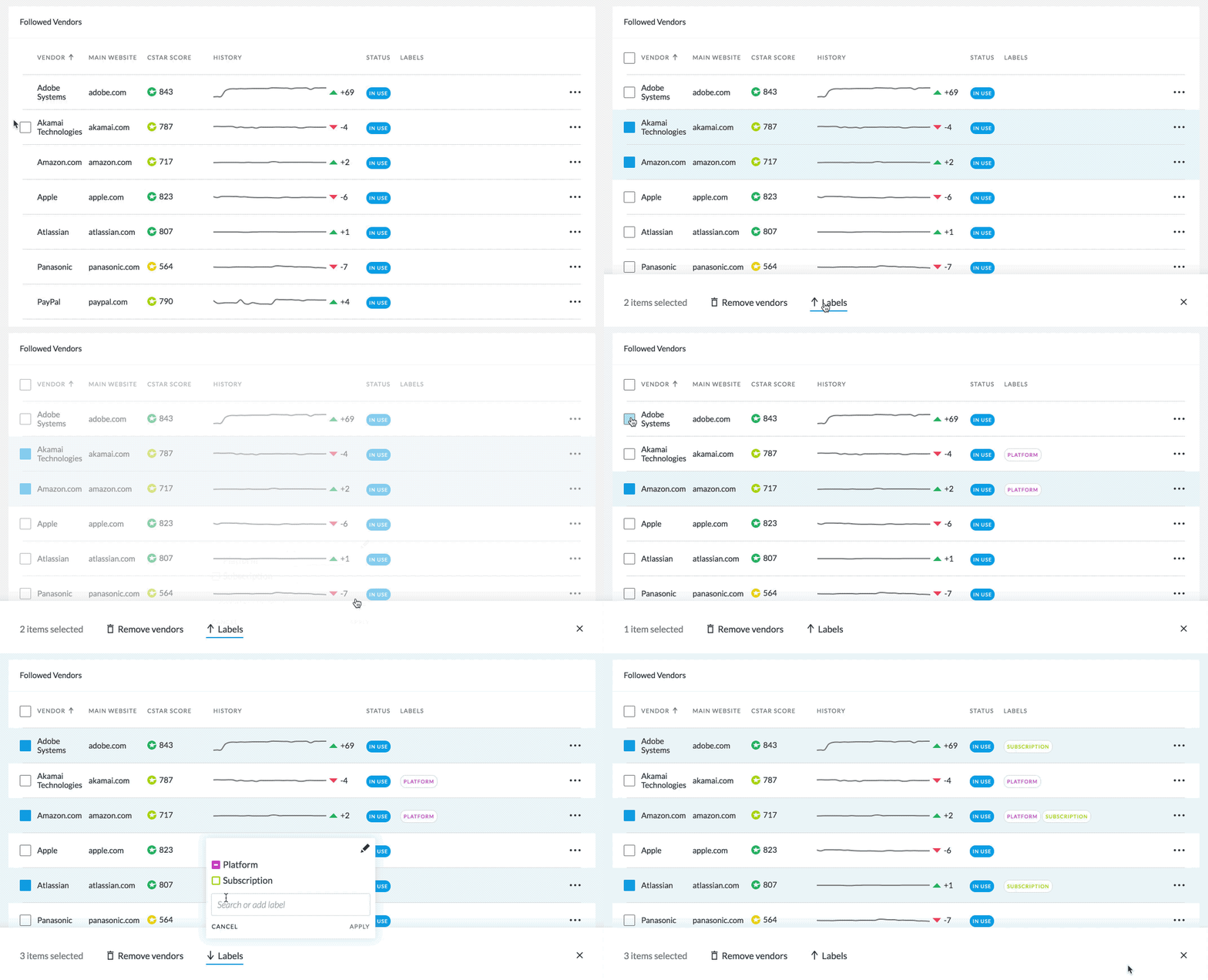
This is a feature we added to help people categorize and manage a lot of vendors.
Adding new features
After launching the initial product, our product roadmap was driven by sales. During a sales call, potential customers would ask for a certain feature. We would identify the problem and build a solution.
For example, a potential customer asked for the ability to manage vendor questionnaires. The CPO and I then researched how that aspect of vendor analysis fit into the critical user journey we had so far. We sought to understand pain points and frustrations of this part of the workflow.
Then we scoped the feature into a two-week-sized chunk, designed, and launched in two weeks. To measure success, we asked customers or the potential customers for feedback and then iterated. Success often meant we landed a new deal and on-boarded new teams.
Conclusion
UpGuard CyberRisk was the very first enterprise product that I designed largely by myself from scratch. It will always hold a special place in my heart 💗
In case you forgot the results:
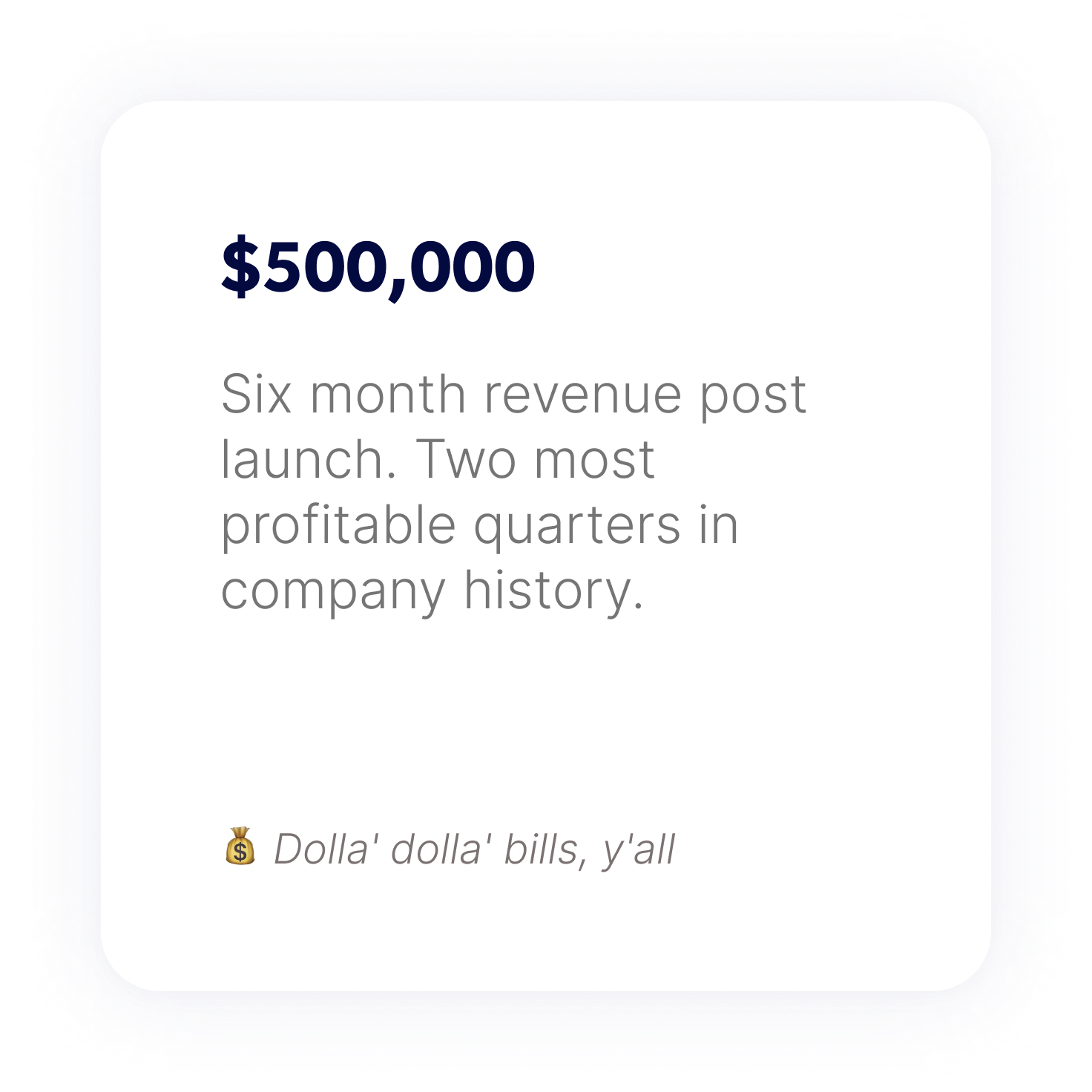
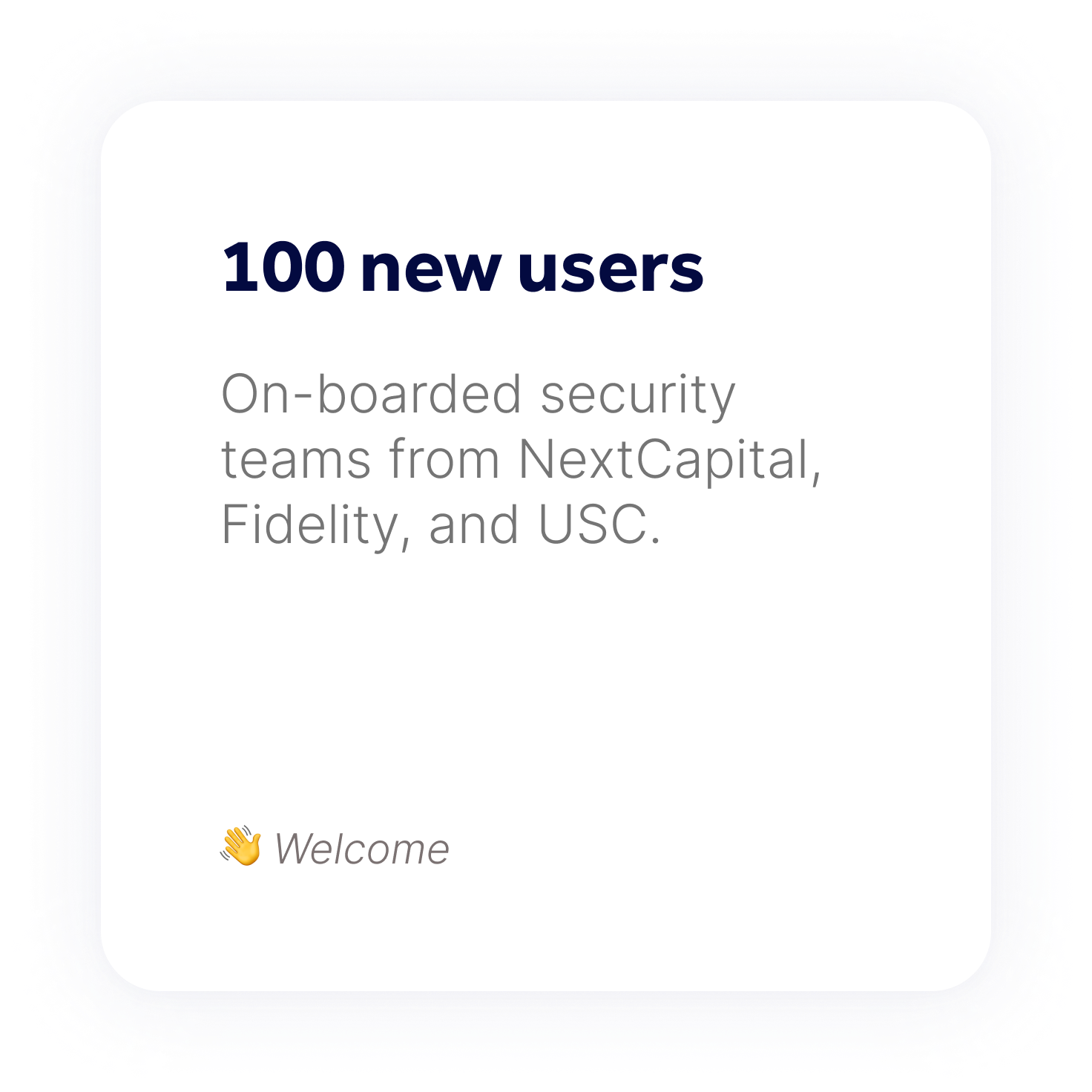
Two most profitable quarters in company history, $500K in revenue & 100 users (from cool places like USC, Fidelity, and NextCapital to name a few)
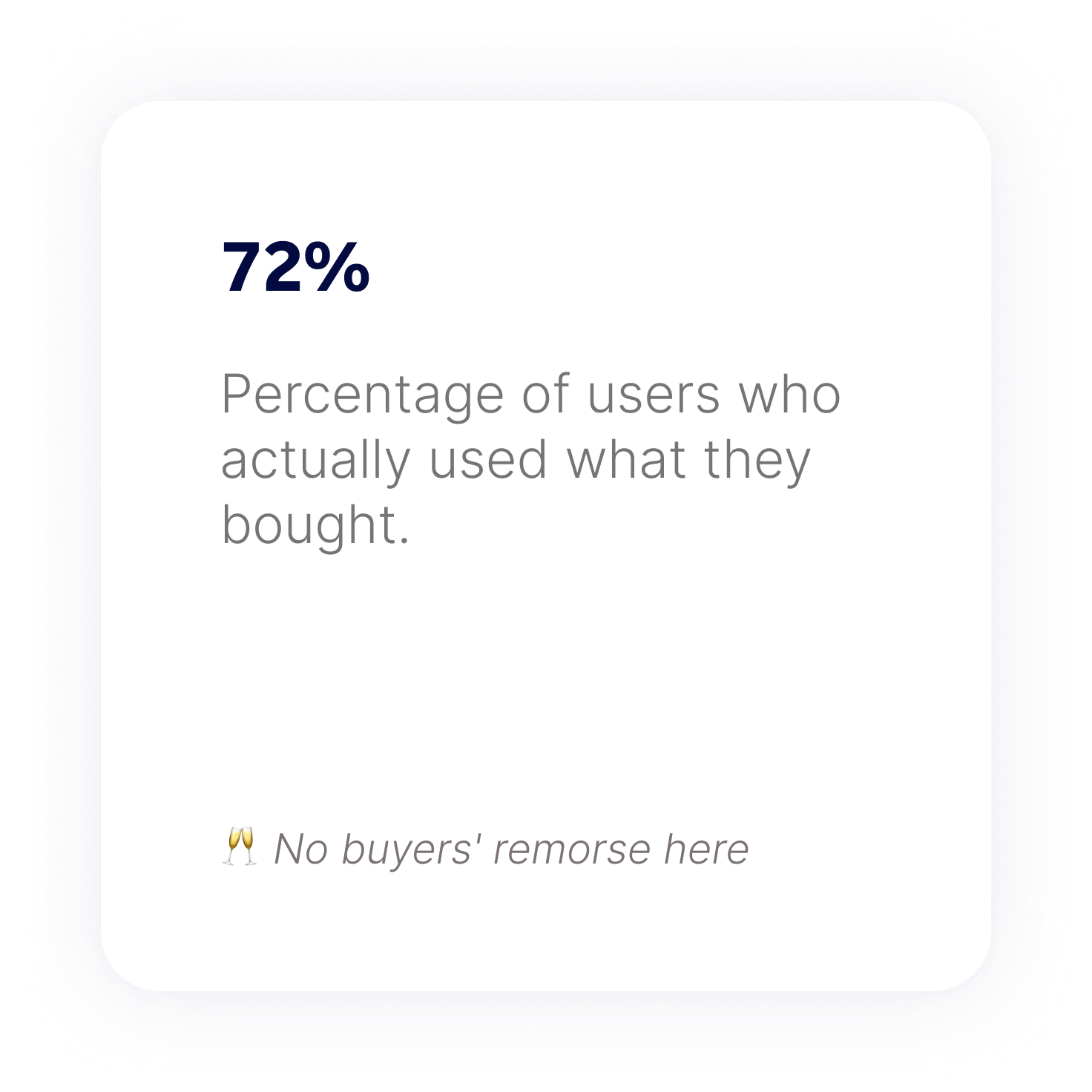
72% of customers used what they bought
We actually did a v2 on several pages
The design system worked!
Lastly, over the course of designing this product, I laid off my entire team and took on their work 💔
I know how to hustle hard under adversity for my users and my team.
More case studies
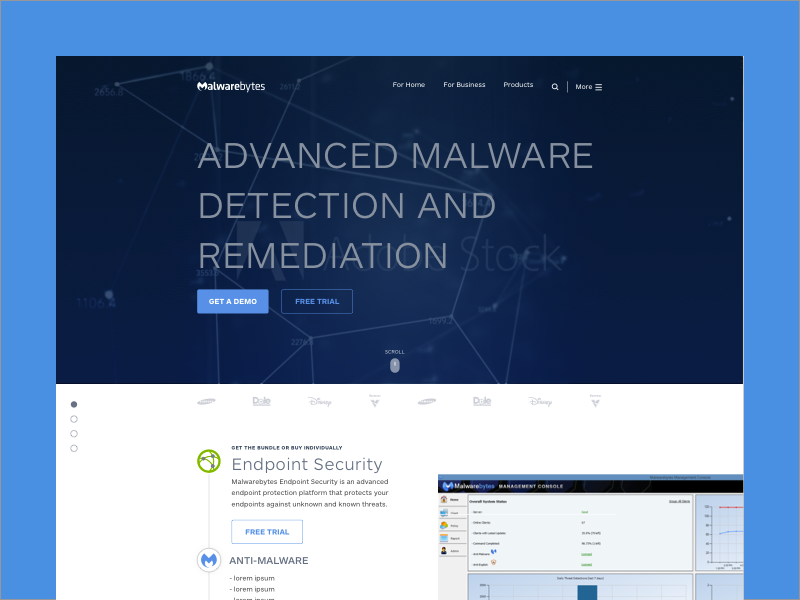
Malwarebytes
UI/UX Designer • 2015-2016
A well-rounded case study about how we re-designed the Malwarebytes website.
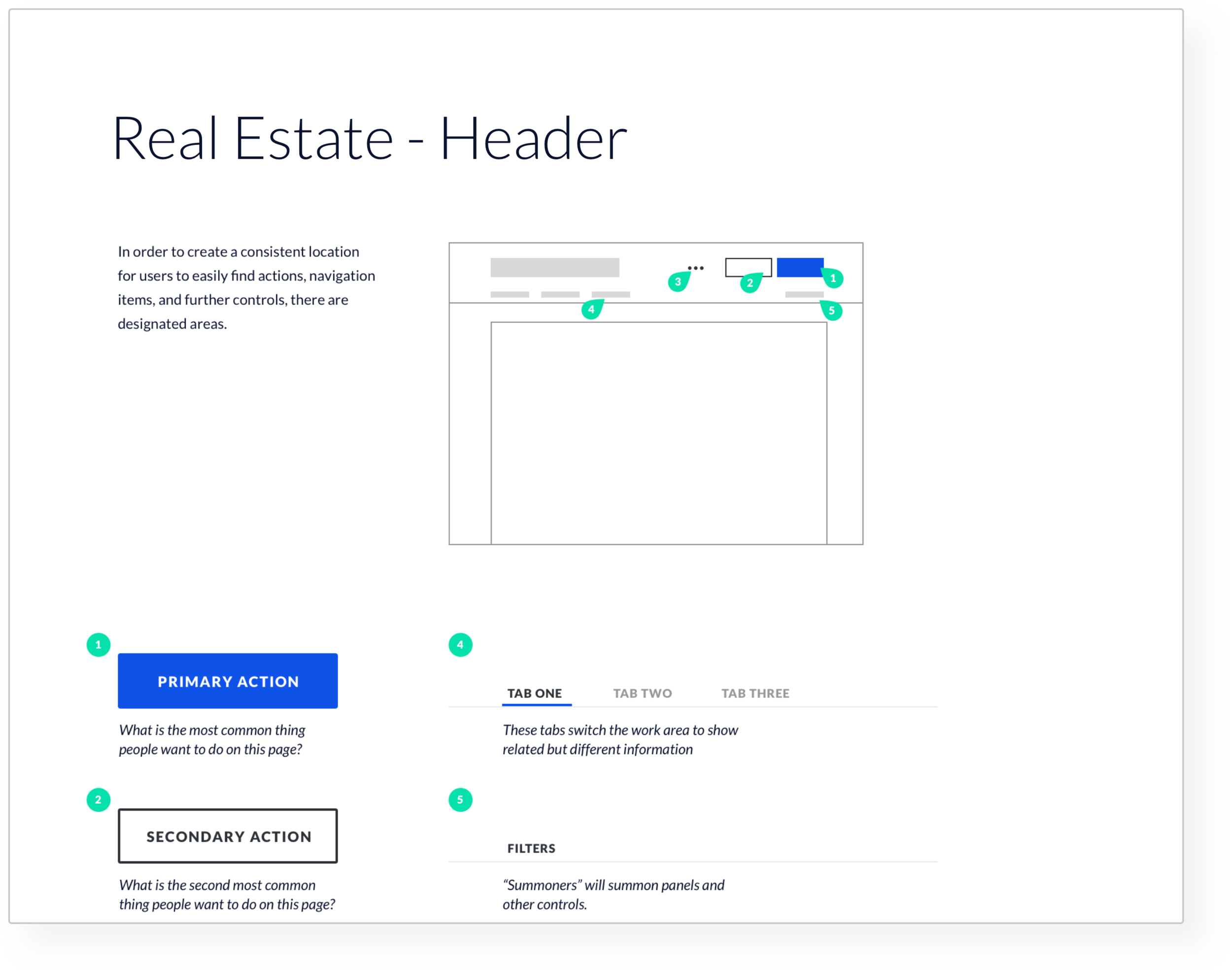
UpGuard Design System
Lead Product Designer • 2016 - 2018
How I created the UpGuard Design System and a *tiny* bit about what was in it.